We would rather run slow than run wrong.
A line that stops for a bad board costs minutes. A truck of bad boards costs a customer.
Story · 1958 — today
Every log that crosses our deck carries its own record — dry summers, wet springs, the year a storm leaned it east. Elliott keeps a record too. It is sixty-eight rings wide.
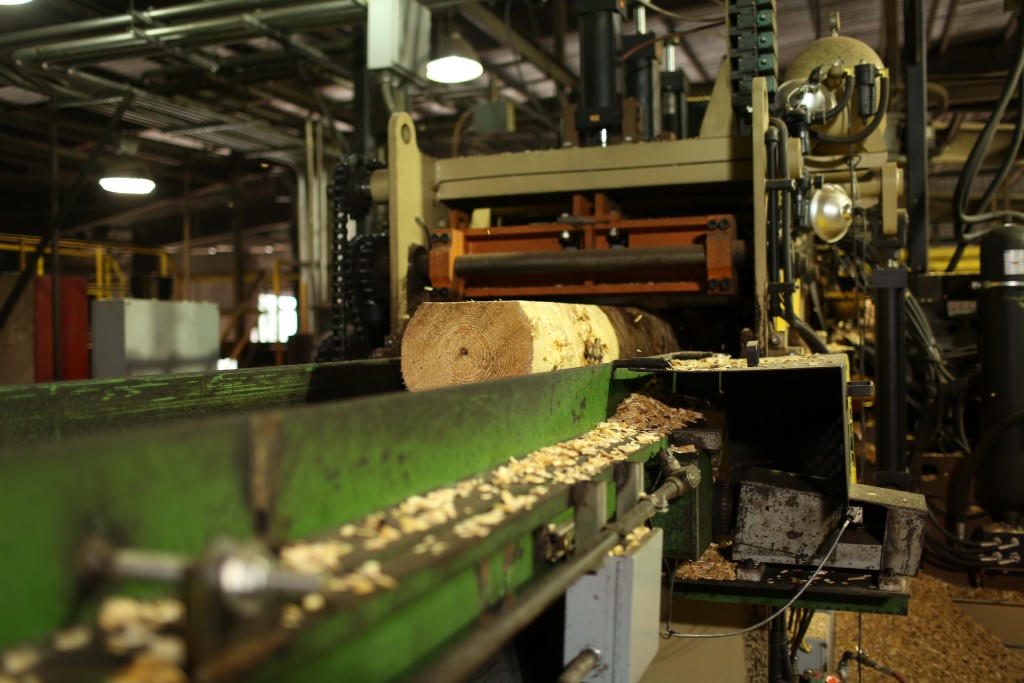
The Elliott family established a sawmilling operation in Estill, South Carolina, beginning a long tradition of producing quality Southern Yellow Pine lumber for the region.
Elliott Sawmilling Co. was formally established, growing into a well-known local family business with both large and small log lines.
The mill expanded production capacity, becoming a significant producer of dimension lumber with annual capacity exceeding 210 million board feet.
Canfor announced the acquisition of Elliott Sawmilling, completed in 2020, combining local expertise with the resources of a major forest products company.
Significant investment in modernizing the facility with advanced technology to improve efficiency and product quality.
Elliott Sawmilling continues as a producer of premium Southern Yellow Pine, serving customers across the Southeast from our Estill location.
What we hold to
A line that stops for a bad board costs minutes. A truck of bad boards costs a customer.
We don't force a 2×12 out of a log that wants to be studs. The scanner reads it; we listen.
Bark, chips, shavings and sawdust all have a buyer or a boiler waiting for them.
Our loggers, landowners and crew live within an hour of the mill. We plan like we'll see them at church.
Saw it straight, dry it right, and load it like your name is on the side of the truck — because it is.
The Elliott family — painted over the saw-filing room door, 1962
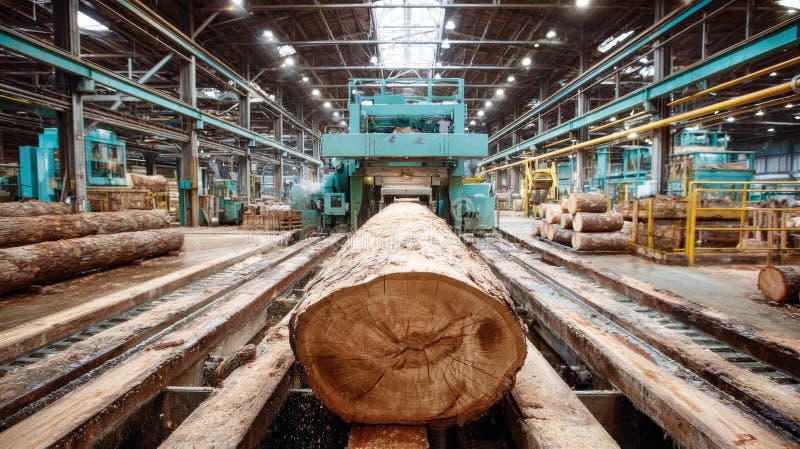
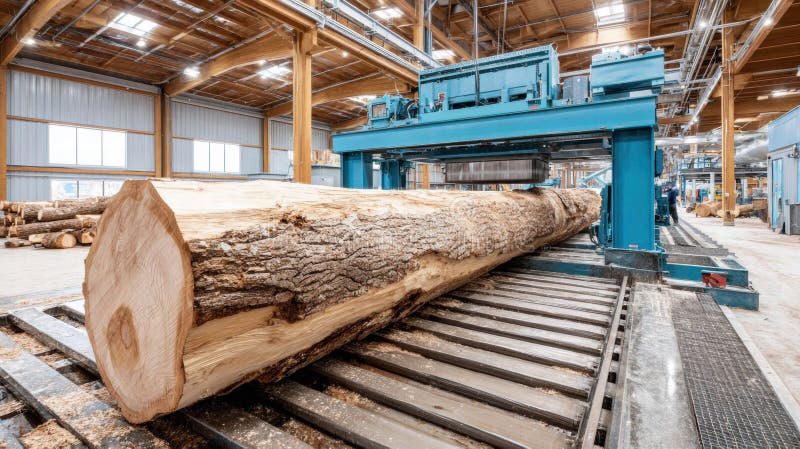
Elliott is still run from the same two-storey office above the planer mill. The door is open; the coffee is bad; the lumber is very, very good.
Rooted in Pell County
landowner families sell timber to Elliott, many for two generations.
seedlings funded for every acre our partner loggers clear-cut.
of procured wood tracked to its tract through third-party chain of custody.